AC Coil Cleaning: What’s Safe, What’s Not, and When It’s Time for a Coil Replacement
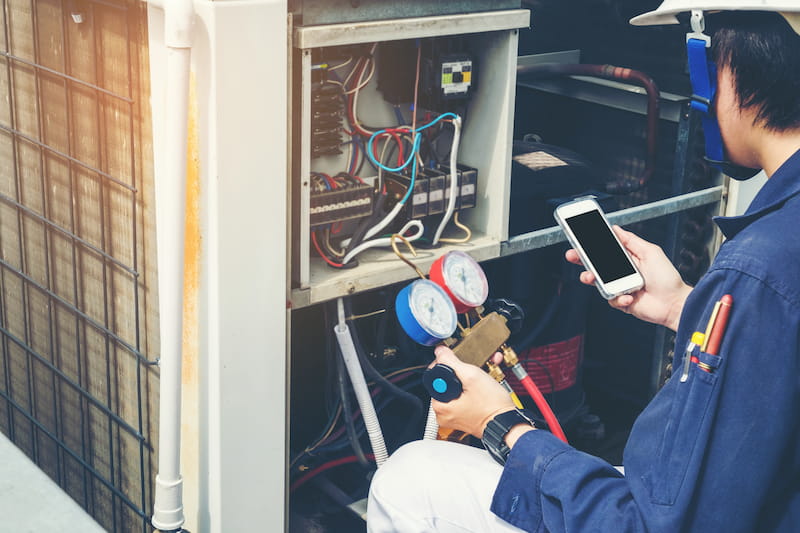
In Delray Beach, FL, your air conditioner works hard through long stretches of heat, humidity, and salty coastal air. That mix leads many homeowners to ask about evaporator coil cleaning and how it fits into routine care. If your system is overdue for service or airflow has dropped, a timely AC maintenance service can protect efficiency, comfort, and indoor air quality.
The evaporator coil is the indoor cooling surface that absorbs heat and sheds moisture from the air. When it gets coated with dust, biofilm, or kitchen oils, the coil can’t transfer heat well, your system runs longer, and the risk of icing, leaks, and musty odors rises. Let’s look at what trained technicians consider safe, what to avoid, and when cleaning gives way to replacement.
Why Coil Cleaning Matters In Delray Beach’s Humidity
South Florida’s climate is a constant stress test for HVAC systems. Humid summer air loads the coil with moisture, and that moisture catches airborne particles that form a sticky film. Near neighborhoods like Tropic Isle and Lake Ida, salty air and coastal breezes add corrosive elements that can wear coil fins faster than in inland areas. Regular, professional cleaning reduces strain on the blower, helps maintain steady temperatures on busy Atlantic Avenue days, and supports cleaner indoor air for your family.
When the coil surface is clean, refrigerant can absorb heat efficiently, and your thermostat setpoint is reached without long cycles. That means less wear on components and a better chance your system will keep up during the first heat spikes of spring and the lingering warmth of fall.
What Evaporator Coil Cleaning Actually Does
A proper cleaning targets the thin layer of grime that insulates the coil and blocks airflow between the aluminum fins. Technicians use coil-specific cleaners to break down that film, then rinse and clear the drain pan so moisture can leave the home instead of lingering in your air handler. Your tech will also check that the blower speed and filter fit are right, so air moves across the coil the way the manufacturer intended.
In a typical Delray Beach home, whether a 1950s cottage east of US-1 or a newer townhouse near Congress Avenue, this service helps stop small performance losses from turning into big comfort problems. It’s preventive care, not a cosmetic touch-up.
What’s Safe: How Pros Clean Coils Without Damage
Evaporator coils are delicate. The fins bend easily, and cleaners must match the coil material and soil type. Licensed technicians follow methods designed to protect the coil, the drain system, and nearby electrical parts. Common professional approaches include:
- Choosing manufacturer-approved coil cleaners that target organic film without eating away at aluminum fins or copper tubing.
- Applying controlled rinsing and fin-straightening tools when needed to restore even airflow through the coil face.
- Protecting electrical components and capturing rinse water so it leaves through the condensate system, not into the cabinet or insulation.
- Verifying that the drain pan and trap are clear to prevent water from backing up into the air handler during peak humidity.
These steps sound simple, but the right sequence, dilution, and contact time are critical. That’s why safe service focuses on process and protection rather than speed.
What’s Not Safe: Mistakes That Lead To Damage Or Poor Airflow
Some actions can turn a dirty coil into a damaged coil. Avoiding these pitfalls helps your system last longer and keeps warranties in good standing:
- Do not spray household cleaners on coils. Many contain agents that etch fins, strip protective coatings, or create residue that traps more dirt.
- Never blast the indoor coil with high-pressure water. It can fold fins closed, force moisture into wiring, and push debris deeper into the coil pack.
- Skip acidic products unless your manufacturer specifies them. Harsh chemistry can accelerate corrosion in our salty air environment.
- Avoid brushing fins aggressively. Bent fins choke airflow and reduce system capacity.
- Don’t ignore a smelly drain pan. Left alone, growth can spread to the coil surface and duct liner.
If you notice hissing, oily residue, or repeated refrigerant issues, treat it as a potential coil leak and call a pro. The fix may involve more than cleaning, and a leak left unchecked can harm other components.
Frozen Coil Fix vs. Cleaning: How Pros Decide
When an evaporator coil freezes, it’s a symptom, not the root problem. In Delray Beach, common triggers include low airflow from a clogged filter, a blower issue, or a refrigerant charge problem caused by a tiny leak. A qualified technician will address the cause first, then decide whether cleaning is needed now or scheduled after the system stabilizes.
Never keep running the system with a frozen coil. Ice can deform fins and flood the drain pan when it melts. After the cause is corrected, your technician may recommend a targeted cleaning to restore heat transfer and reduce the chance of repeat icing during the next humid spell.
How To Tell It’s Time For A Coil Replacement
Cleaning is great preventive care, but it cannot reverse metal loss or major fin damage. In some Delray Shores and Kings Point homes that sit in damp microclimates or closer to the Intracoastal, coils live a tougher life. Your technician may recommend replacement if one or more of these conditions are present:
- Recurrent leaks or visible oil staining on or around the coil, especially after prior repairs.
- Widespread fin corrosion or pitting that keeps returning even after careful cleaning.
- Fins so flattened that airflow cannot be restored across large sections of the coil face.
- Repeated freeze-ups are tied to underlying refrigerant issues rather than simple dirt buildup.
- Age and compatibility factors when the indoor coil no longer match a newer outdoor unit’s refrigerant or performance specs.
Replacement decisions balance reliability, efficiency, and long-term comfort. Your technician will evaluate coil style, refrigerant type, and cabinet size so the new coil fits the air handler and works with your existing equipment.
Replacement vs. Repair In Palm Beach County Homes
When a coil needs replacement, the goal is to match or improve system performance without creating new bottlenecks. That often means pairing an indoor coil that’s properly sized and rated to your outdoor unit’s capacity. Your installer also confirms that refrigerant type, metering device, and airflow targets are in line with manufacturer guidance. While details vary by system, the guiding idea is simple: the components should work as one, especially in a climate where AC runs most of the year.
Homes closer to the beach may benefit from coil materials or coatings that resist corrosion from salty air. Inland neighborhoods might prioritize airflow and filtration to handle dust from construction or landscaping. Either way, a careful setup today helps prevent nuisance issues tomorrow.
Keep Coils Clean All Year With Professional Maintenance
Because Delray Beach stays warm long after summer break ends, the best time to think about your coils is before the next heat wave. Seasonal visits let a technician catch early signs of biofilm, a slow drain, or performance drift before they cut into comfort. If you want one trusted team to track your system’s history and keep it running right, work with a local HVAC company that knows our coastal climate and typical home layouts.
During a scheduled visit, your technician will examine airflow, filtration, coil condition, and drainage as part of a broader tune-up. That attention keeps your system responsive during afternoon thunderstorms, busy weekends on Atlantic Avenue, and the first cool nights when you switch modes.
Local insight: coastal air can speed corrosion on indoor and outdoor coils, especially in homes near the Intracoastal or the beach. Ask your technician about protective coatings and drainage checks to slow wear. A quick preseason visit often prevents mid-summer surprises.
When Cleaning Isn’t Enough: Planning The Next Step
If your coil has a confirmed leak, heavy corrosion, or persistent freeze-ups after airflow and refrigerant issues are corrected, replacement may deliver better efficiency and cleaner air than repeated cleanings. Your technician will review options that fit your air handler cabinet and match your outdoor unit, so you regain stable, even cooling across every room.
The right call protects your comfort during peak humidity and helps you avoid repeat breakdowns when friends and family visit. If you’re unsure which way to go, start with a system check to document coil condition, airflow, and drain performance. From there, you’ll have a clear, low-risk plan.
Ready For Cleaner Coils And Better Airflow?
Talk with AirGaard today for a quick assessment and an honest recommendation on cleaning versus replacement. Call us at 561-888-3516.
That single visit restores efficiency, helps your home feel drier and cooler, and gives you peace of mind before the next heat wave rolls through Delray Beach.
Reach Out To Our Hvac Company & Indoor Air Quality Experts In Delray Beach!