Duct Cleaning and Sanitizing: How Dust, Dander, and Mold Spores Are Actually Removed
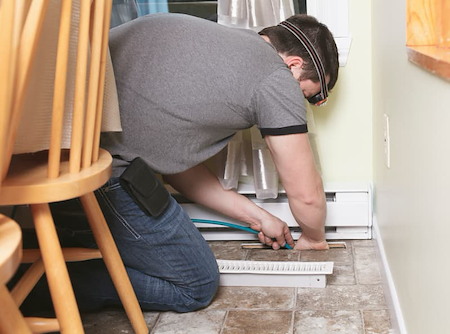
If you’ve wondered how duct cleaning Delray Beach homeowners rely on really works, this guide breaks it down step by step. We’ll show how professional duct cleaning and sanitizing clear out dust, pet dander, and mold spores so your family can breathe easier in our warm, humid climate.
Between coastal humidity, summer storms, and year‑round A/C use, ducts in neighborhoods like Lake Ida, Tropic Isle, Kings Point, and Seagate collect debris faster than many places. That buildup doesn’t just ride along in the air. It settles on coils, restricts airflow, and can carry odors throughout the house.
What Actually Happens During Professional Duct Cleaning
A thorough service follows a clear sequence designed to loosen, extract, and contain contaminants without spreading them through the home. Here’s the typical flow you can expect from a trained team in Delray Beach:
First comes a system check and access. Techs inspect supply and return trunks, registers, and the air handler, then create sealed access points where needed. Next, they cap and cover registers to control airflow paths and protect rooms.
Then the heavy lifter goes to work: a high‑powered, HEPA‑filtered vacuum attaches to the main trunk to establish strong negative pressure. While the vacuum draws air toward it, the crew uses rotating brushes, air whips, and compressed‑air nozzles to agitate debris from duct walls so it gets pulled into the collection unit.
Finally, they treat the system for microbial concerns and odors when appropriate, clean registers and grilles, wipe the air handler cabinet surfaces that are part of the duct system, and reseal access panels. Re‑testing ensures all openings are tight and the system is ready to run.
What Negative-Pressure Cleaning Actually Does
Negative pressure is the safety net and the muscle of the job. By pulling more air out of the ductwork than enters, the vacuum turns ducts into controlled pathways that trap dislodged particles in a sealed, HEPA‑filtered collector.
Without strong negative pressure, agitating dust and dander can push contaminants into your living space. When negative‑pressure cleaning is explained simply, think of it like turning the ducts into a giant straw: tools scrub the walls, and the vacuum draws everything one way into a filter designed to contain even fine particles.
- Dust and drywall powder from renovations
- Pet dander and hair from everyday shedding
- Mold spores and fragments are disturbed by humidity
- Pollen and outdoor debris tracked in through returns
- Construction leftovers like screws or insulation bits
Because the collector is HEPA‑rated, the air exiting the machine is filtered, which helps protect indoor air while the work is underway.
How Sanitizing Targets Germs and Odors
Cleaning removes physical debris. Sanitizing addresses microbes and odors that settle on duct surfaces after cleaning. Technicians apply an EPA‑registered disinfectant or sanitizer formulated for HVAC use, following the label for application method and contact time.
In many homes, a fine mist or atomized application coats the interior of the clean ducts and the plenum. The goal isn’t to mask smells. It’s to reduce microbial activity on surfaces that can create that musty, wet‑cardboard odor you sometimes notice after long humid stretches.
Sanitizers should only be applied after the ducts are visibly clean. That way, they contact the surface, not a layer of dust. When appropriate, coils and drain pans are also inspected so moisture sources that feed odors and mold are addressed as part of a complete indoor air approach.
When To Schedule Duct Cleaning Delray Beach Homeowners Can Trust
Most homes see the best results when ducts are professionally cleaned every three to five years. In Delray Beach, high humidity, frequent cooling cycles, and storm season can shorten that timeline for some households, especially if you have pets or have recently remodeled.
- After renovations or drywall work
- If you notice dusty supply registers soon after cleaning the house
- When there’s a musty odor when the A/C kicks on
- After water intrusion events or prolonged high humidity
- If household members have allergies that seem worse indoors
If you’re unsure whether your home needs service now, a visual inspection and particle capture at a vent can tell the story quickly. For next steps and a deeper look at the process, review this overview of duct cleaning and sanitizing so you know exactly what to expect.
What To Expect From A Local Visit
Crews arrive with protective floor coverings, corner guards, and sealed equipment to keep your home tidy while they work. Registers are carefully removed and cleaned, access panels are cut and later resealed with tight, metal‑rated closures, and technicians document the process with photos where possible.
You’ll hear vacuums and compressed air. That’s normal. The team moves room by room to ensure each branch run is agitated while the vacuum maintains a strong pull on the trunk line. Outdoor collectors are positioned to vent safely away from doors and windows so dust isn’t reintroduced.
If your comfort goals extend beyond ducts, keep in mind that our HVAC and plumbing company can coordinate broader system care, including maintenance that supports airflow and efficiency. A clean path from return to supply helps your system run more smoothly and can reduce hot and cold spots.
How Technicians Keep Your Home Safe During Cleaning
Safety begins with containment and filtration. Registers are covered, the air handler is switched off as needed, and negative pressure keeps particles moving to the collector instead of the rooms. Drop cloths protect floors and ladder paths.
Ask your technician about filtration and seal checks at the end of the job. Tight panels and properly seated registers help prevent unfiltered air from bypassing your system and dragging attic or crawlspace dust into the stream.
Post-Cleaning Verification You Can See
A quality visit leaves you with clear signs of improvement. You should see clean, dust‑free register boots, wiped grilles, and sealed access points. Many homeowners also notice the A/C doesn’t kick up that stale odor after a few cycles.
Some teams measure changes at the vents or provide before‑and‑after photos for peace of mind. If you want a refresher on what was done and why, skim the steps in this plain‑language guide to duct cleaning and sanitizing so you can connect each result to the process that produced it.
Local Factors That Increase Buildup in Delray Beach
Our sandy soils and ocean breezes mean more fine particles enter through doors, garages, and leaky returns. Add in pet traffic from backyard patios and regular entertaining, and your system works hard to keep up during long cooling seasons.
Homes near Intracoastal areas can also feel stickier, which encourages particles to cling inside ducts. That’s one reason routine filter changes and sealed returns go hand in hand with cleaning. A tight, well‑filtered system helps keep your ducts cleaner, longer.
How Often Should You Clean Ducts in a Coastal Climate?
There’s no one calendar for every home. Frequency varies by family size, pets, renovation activity, and humidity patterns. Many Delray Beach households find a three‑to‑five‑year interval is a good starting point, adjusted after the first professional cleaning based on how quickly dust returns at registers.
If you host seasonal guests, own shedding breeds, or have recently updated floors and drywall, consider moving sooner on your timetable. You’ll get the most value when cleaning aligns with life events that introduce extra debris into the system.
Breathe Easier With AirGaard in Delray Beach
When you’re ready to clear the air in your home, choose a team that follows proven steps, uses strong negative pressure, and sanitizes only after a complete clean. With AirGaard, you’ll get a straightforward process and clear communication from start to finish. If you have questions about odors, dust at registers, or humidity trouble spots, a quick call is the easiest way to get answers tailored to your home. We’re happy to talk through options and timing so the work fits your schedule and goals.
Ready to make your home feel fresher and cleaner today? Call AirGaard at 561-888-3516 to schedule your appointment.
Reach Out To Our Hvac Company & Indoor Air Quality Experts In Delray Beach!